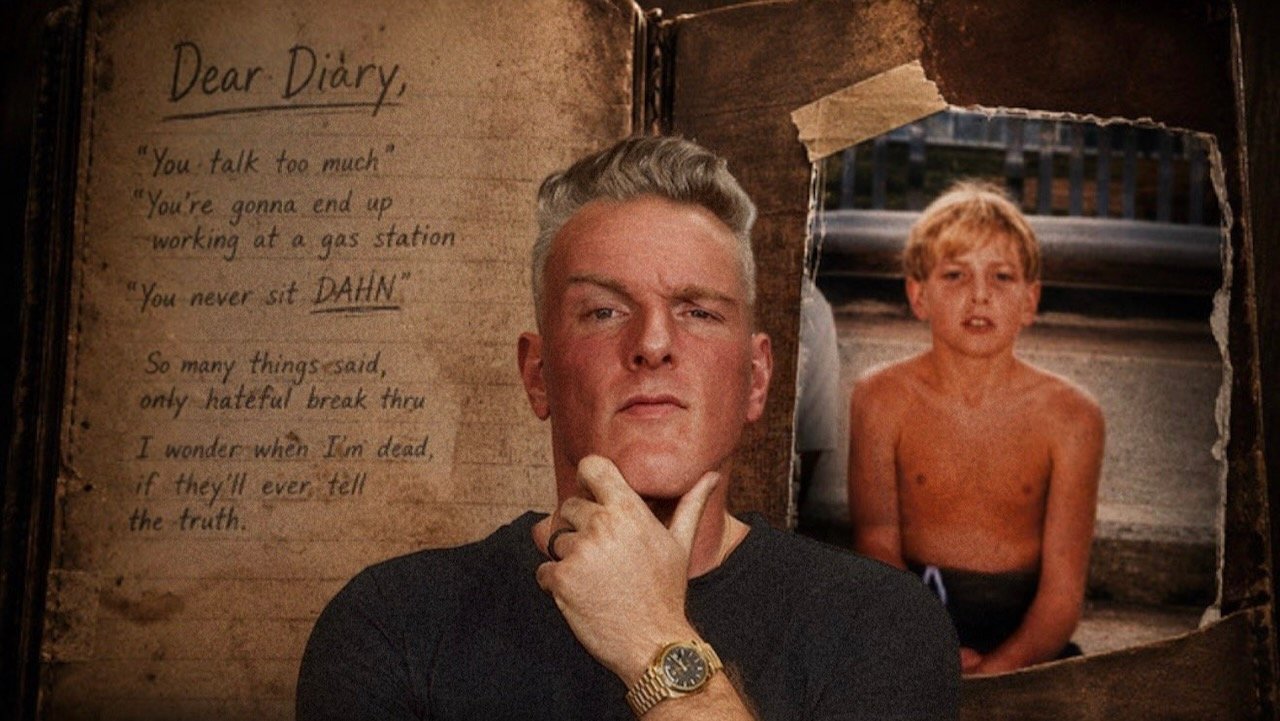
Former NFL punter and current podcasting star Pat McAfee is branching out into music with The Diary of a Polarizing Figure,an album so named even though it is not very personal and the only controversy seems to be to what extent AI was involved.
How did this happen? Well, The Diary of a Polarizing Figure comes via the Big Loud songwriting factory and country super producer ERNEST, hit-writer for Morgan Wallen, Jelly Roll, Lainey Wilson, and more country artists with production so sugary-sweet it could give your ear a cavity. Jelly is the connector here, befriending McAfee and then telling him, “I gotta connect you with Ern,” as the producer recalled in an interview with Whiskey Riff. After one of the hosts mentioned that he didn’t think of McAfee as a musician, ERNEST responded:
“He’s not a musician, but he definitely is a fan of music. He has been writing lyrics for years, like his phone is so full of notes, stream of consciousness, poetry, stuff like that. And he started plugging his lyrics in and chanting it into [AI music generator] Suno and getting Suno demos of his songs. And we came together and I was like, ‘Yo, we can go in and cut this stuff for real.’”
First, it’s interesting how casually he says “Suno demo,” as if that’s a pretty standard kind of demo these days. Second, “Cut this stuff for real,” could mean a couple of different things (Big Loud did not respond to a request for songwriting credits by publication), but the problems with the album are separate from feelings about AI authorship. Regardless of how it gets there, the lyrics are a mix of cliches and comment section bait, and as for the vocals, The Diary of a Polarizing Figure keeps stumbling into the musical uncanny valley.
Related Video
These days there is a musical vocabulary that feels like AI the same way excessive em dashes and, “It’s not x; it’s y,” can feel inhuman in writing. One such tic is a bass line with dementia, always wandering without any reference to where it has been. But this is not the kind of thing that sustains when you cut it for real, and is not a problem here. The second tic is the use of long and taxing vocal lines — especially in an unremarkable part of a verse, not a climactic showcase — that would pretty much never occur to any composer who requires oxygen to breathe. McAfee’s album is full of moments like this, executing long and demanding melodies, but in a strained timbre that suggests any moment now he’ll break off coughing and then hit the vape again.
Casuals won’t even notice, but if you’re familiar with the demands of live performance, then this shit sounds weird. On “Blue Collar Symphony” he uses camouflaged auto-tune and vocal comping to bridge long phrases like Otis Redding — except you have never heard someone with that tone pull off that breath control, because that’s not how lungs work. At least naked auto-tune has a sci-fi whimsy; disguised here, McAfee sounds like a robot doing a human impression, and he’s just close enough — and just far enough away from the real thing — to be actually unsettling.
And then there’s the lyrics, the “poetry,” built out of surface-level observations, single-entendres, and the first rhyme on Rhymezone. The album title promised a diary. But there is not much in the way of confession — there is barely evidence of an interior life.
Here’s the first verse of the title track, “Polarizing Figure,” weaving drunkenly in and out of rhyme. Despite some swear words it’s as inoffensive as a press release:
I’m so confused and conflicted
About this life that I’m livin
Everything that I do
Some pumped and some shitting
You see, there’s some who will ride
And some who wish I would die
So.. every new sitch, is it alright? Or on sight?
The slangy rap of the verse is in another song from the earnest chorus. In the tenor of a soul-searching ballad, he sings, “Am I blessed/ or am I cursed/ Am I the best?/ Or the worst,” and if those are the only options, he’s coming in much closer to one half than the other.
Whichever entity wrote the chorus seems to be responding to the closing couplet: “Everydayyyy.. I ask these questions
And now I prayyy.. I get the message,” but there’s no payoff. In fact, there isn’t a single concrete noun in either passage. “Some,” “Everything,” “This life,” “The message,” without any places or people and not even a goddamn object. The song doesn’t care about reflection, it cares that he says his prayers.
The Diary of a Polarizing Figurehas no musical perspective and comes out as a mess of genres. There’s Florida-Georgia Line-style rapping in more than half the songs, the occasional soul chorus (“Outlaws”), brief spurts of adult contemporary (“Big Rain Coming,”) and even neo-reggae because hey, why not? (“No One Ever Knows”). The stomp-clap of “Click Clack” recalls country’s first AI slop hit, “Walk My Walk,” perhaps even intentionally; perhaps some of the AI hits are already influencing the human-fronted acts.
McAfee also makes sure to work in some cultural grievances, interrupting the arena rock-inflected pep talk of “You’re Alive” to clarify, “No handouts, you gotta get it.” Odd advice from a podcaster who got here on the strength of a friendship with Jelly Roll and an AI demo.
The Diary of a Polarizing Figure couldn’t scandalize a Parent Teacher Organization. There’s nothing on the record to take a position about — no argument, no confession, no image sharp enough to leave a mark. Twenty years of notes, handed to people who write hits for a living, and what came back is competent and airless.
On the title track he asks whether he’s blessed or cursed, the best or the worst. In between would have been interesting, or at least human.