From these silent rooms, enclosed interiors, and coded meeting points, the festival’s first half began to feel less like asequence of screenings than aseries of negotiations over how desire becomes legible. These negotiations would continue elsewhere in the programme, where questions of family, visibility, and recognition returned in more intimate, and sometimes more painful, forms.
Nanthinee Shree
I never expected aposh London cinema to make me feel so close to home. There is adistinct irony to making this claim now, as Iclickity-clack away on my keyboard, physically distanced from the complex politics surrounding queer lives in Southeast Asia. Yet, Queer East accomplished the astronomical task of emotionally situating me back in my childhood home in the heartlands of Singapore. My viewing experience spanned an eclectic spectrum of cinema ranging from the poignant Singaporean family drama AGood Child (2025) to adelectable feast of short films featured in the Closed Mouths Don’t Get Fed programme. Amidst the cacophony of voices, the overarching narrative of queer dichotomies lingered like apersistent ring in my ears long after the screenings ended.
Directed by Ong Kuo Shin, AGood Child follows Jia Hao (Richie Koh), adrag queen who returns to his family home to care for his mother after she is diagnosed with dementia. Inspired by the life of Sammi Zhen, aveteran drag queen in Singapore, this film serves as Ong’s third cinematic tribute to the local drag landscape. The narrative focus on performance art allows for an aesthetic opulence that permeates almost every aspect of the filmmaking, particularly the costumes, makeup, and lighting. At the same time, the brightly lit scenes and high-camp aesthetics do not diminish the film’s sobering gravitas. AGood Child is one of those films that feels like reading your childhood diary – your darkest thoughts written with aglitter pen. Ong’s background in directing television series is evident in the teeming melodrama that is laced throughout thefilm.
Returning to ahome that is fraught with bitter memories of parental abuse elucidates Jia Hao’s physical rejection of aqueer space for one that requires him to be the son and man that society wants him to be. Though the film glosses over the realities of queer individuals living with their families, AGood Child features an unorthodox ‘wedding’ scene where the union is legally void yet emotionally monumental. The poignant declaration of maternal validation by Jia Hao’s mother,“Government doesn’t allow, Mother allows,”did flavour my popcorn salty with my unending stream oftears.
I was also particularly drawn to Closed Mouths Don’t Get Fed,aprogramme of shorts curated by Elena Kwa-Hawking that had food at the centre of its theme. Included in the smörgåsbord of shorts is 100% USDA Certified Organic Homemade Tofu(2022)by Gbenga Komolafe, amoving drama about atranswoman reviving her mother’s Korean restaurant after moving back home to earn money for her breast augmentation surgery. This film served as acompelling accompaniment to the feature films in which queer individuals choose between family or being visibly their authentic selves.
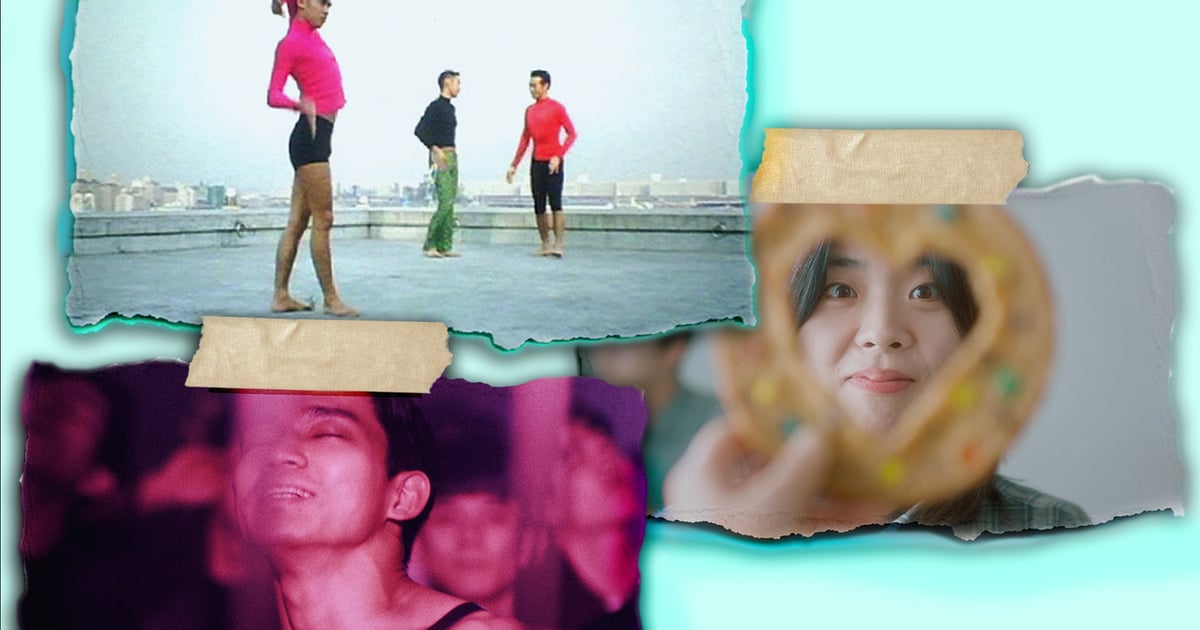
Apart from themes of familial acceptance and questions of belonging, the rest of the shorts from this selection also underscored the dichotomy of the visible and invisible in queer lives. Etzu Shaw’s 29 Hour Famine (2024),my favourite of the lot, is ahilarious short about Jenny (Anna Mikami), adevout teenager who polices every member of her church group at the annual fasting event she is heading. The filmmaker frequently employs tense POV shots of Jenny surveilling everyone during the gathering, illustrating her chilling obsession with enforcing behavioural conformity. Ultimately, this desperate urge to monitor her external environment embodies her inability to regulate her own internal turmoil. Her obsession and strict abidance are always met with the nonchalance of Mina (Yeena Sung), the previous year’s organiser. Mina’s indifference is not the only thing that irks Jenny; there seems to be something more about her presence that makes her uneasy. In true closeted queer fashion, she finds atotally unrelated hyper fixation to keep that part of her invisible. The climax of the film intercuts close-ups of the church congregation ravenously feasting on an assortment of dishes with scenes of Jenny and Mina messily making out (also commonly known as eating out) in the closet. The juxtaposition is not only comically sharp, but structurally brilliant. It deftly articulates acentral dichotomy within the queer experience, contrasting the agonizing weight of enforced invisibility with aliberating exuberance born from self-acceptance.
Shwe Yee Oo’sUnfulfilled Dreams (2025) and Kim Sejin’sColor, Color, Color! (2025) are two other shorts that engaged deeply with the theme of visibility and invisibility. Together, they make for acompelling dialogue. Unfulfilled Dreamsis aself-reflexive documentary about the director’s journey to document the lives of alesbian street vendor couple in Myanmar. Midway through the process, the couple stops entertaining the director in fear of the attention they were getting from their neighbours and community.Color, Color, Color! is acoming-of-age tale about an introverted girl, Somi, who bails on her date with another girl after getting acutely conscious about the eyes of strangers in South Korea. In Unfulfilled Dreams, the street vendor couple are visually absent from the rest of the film once they return to their mundane routine as naan bread sellers and not stars of adocumentary. Meanwhile, the retreat inColor, Color, Color! manifests as ashift in space for Somi: she rushes out of the café in fear of being perceived by other customers. Unlike the lesbian street vendors who choose not to risk exposure in exchange for public visibility, Somi actively confronts her anxieties. Driven by the possibility of alove that mirrors her own quirks, she takes acalculated gamble and returns to find her date at the café. These narrative parallels emphasize how the anticipated social payoff of coming out dictates both the lifepaths of queer people and the ultimate trajectory of each film’s conclusion.