Annie Potts has spent years weaponizing warmth as Connie “Meemaw” Tucker on Young Sheldon, so it makes perfect sense that Best Medicine leans right into that same energy.
Only this time, the genius she is corralling has already done most of his growing up.
As Aunt Sarah in Fox’s Best Medicine, a U.S. remake of Doc Martin, Potts plays a tough, lobster‑boat‑hauling Maine local who also happens to be the one person who can cut through Martin Best’s frosty, hyper‑competent exterior.
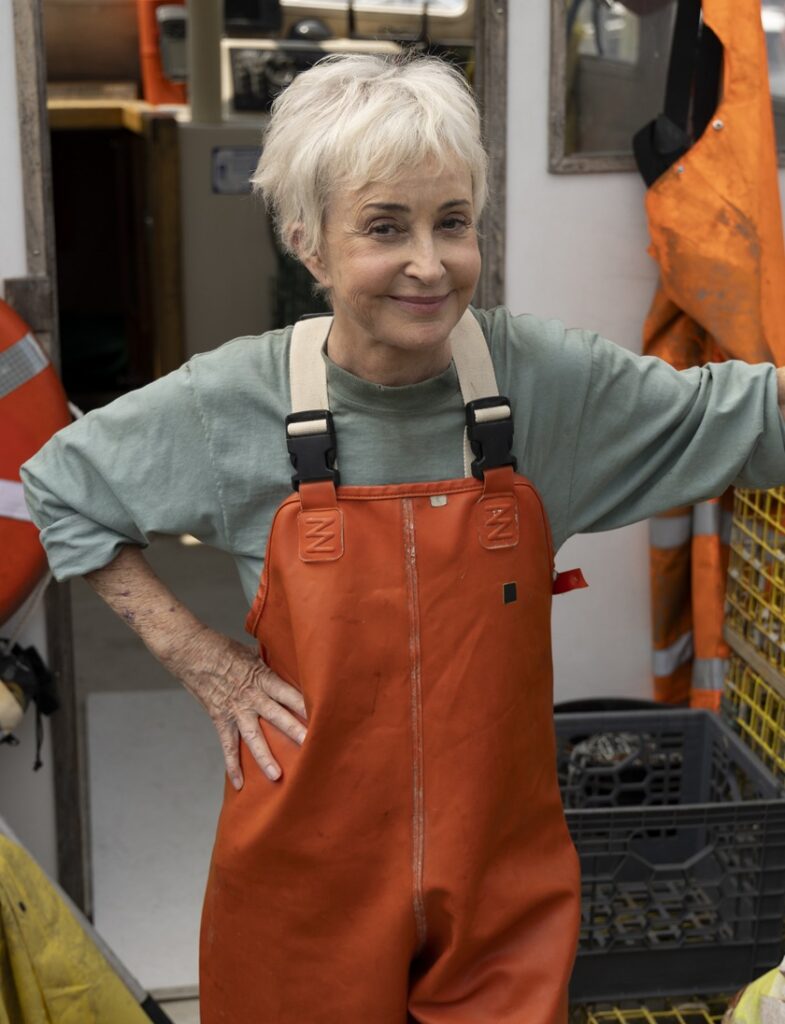
The show pairs Josh Charles‘ emotionally blocked surgeon with a town full of chaos and feelings; Sarah’s job is to nudge, needle, and quietly dare him to act like a human being instead of a walking diagnosis list.
That dynamic hits differently if you have watched her as Meemaw. Potts brings the same mix of mischief, blunt honesty, and fierce protectiveness she once aimed at a tiny Sheldon Cooper.
And seeing that “Meemaw‑ing” energy redirected at a more sensible, self‑aware lead turns out to be the most unexpectedly adorable part of Best Medicine.
From Moon Pie to Martin Best: Annie Potts Turns Tough Love Into Her Superpower
On Young Sheldon, Meemaw is the one adult who can keep up with Sheldon’s brain without losing her sense of humor — or her patience.
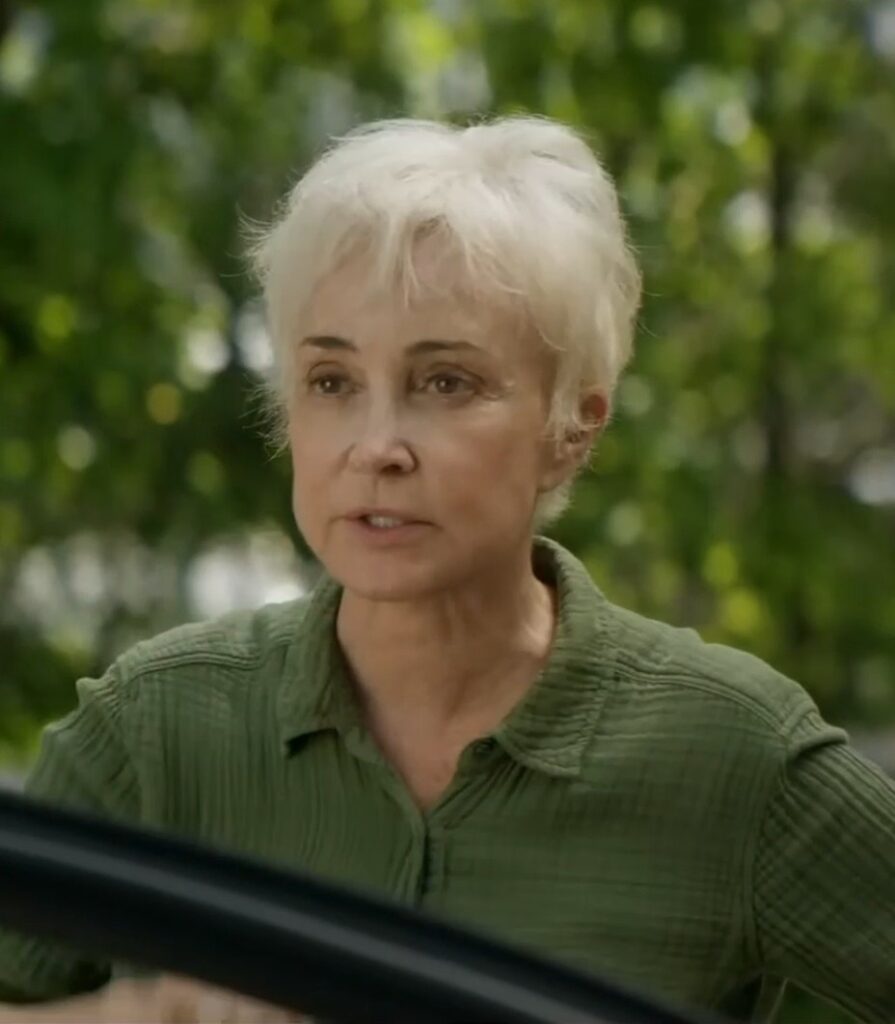
She teaches him that people bluff, that faces lie, that life is messy, and that rules sometimes need to be bent in the name of survival or fun.
Annie Potts has even joked that Meemaw feels every bit as sharp as her grandson, which is exactly why their bond works: she never treats him like a fragile prodigy, just a kid who happens to run hotter on the IQ scale than everyone else at the dinner table.
Best Medicine takes that blueprint and drops it into a different genre. Instead of a socially oblivious child genius, Aunt Sarah is dealing with a grown man whose problem is not lack of emotional intelligence but emotional lockdown.
Martin Best is brilliant, gruff, and almost allergic to vulnerability, which makes him the perfect target for Potts’ specialty: gently humiliating you into growth.
Where Meemaw might slide in with a card‑game hustle or a sideways moral lesson, Sarah leans on sea‑hardened pragmatism and family history.
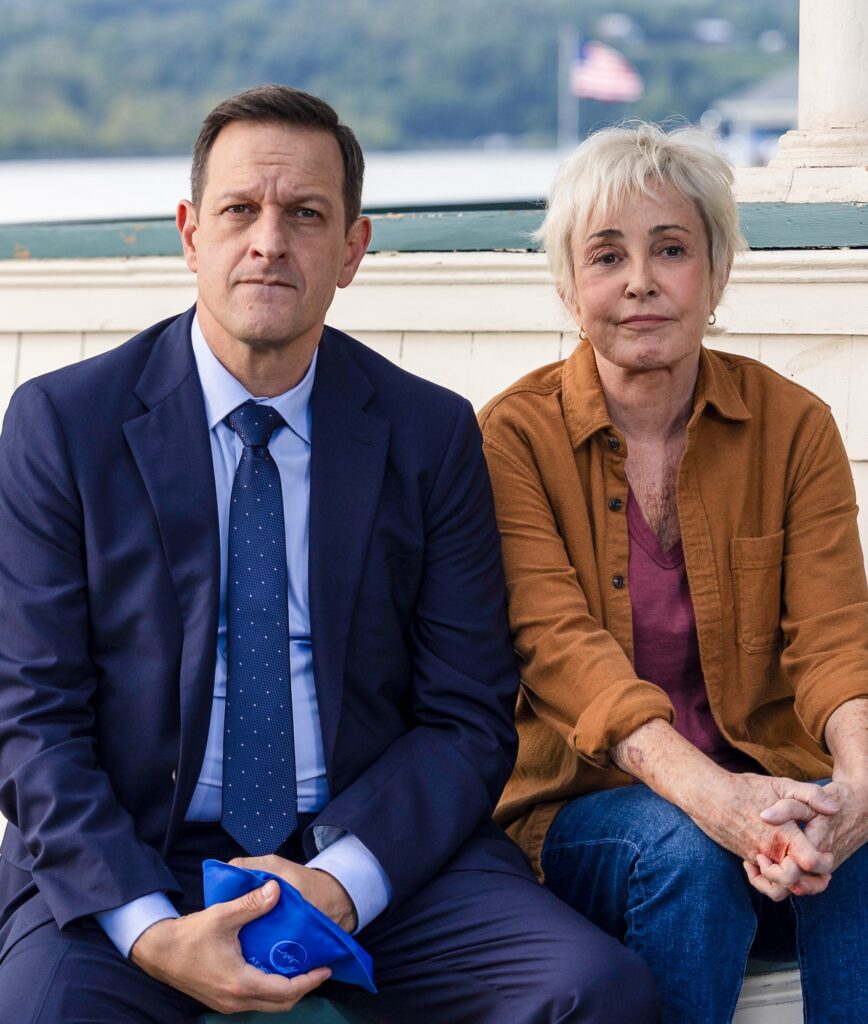
She is Martin’s aunt and a local lobster woman, a character clearly modeled on Aunt Joan from Doc Martin, and she has seen worse storms than a brooding surgeon.
That is where the “Meemaw‑ing” lands: in the way she undercuts his seriousness with a single line, refuses to let him wallow, or forces him to connect to the town whether he wants to or not.
Fans who watched Sheldon slowly absorb Meemaw’s lessons about bluffing, trust, and bending rules will recognize the playbook immediately — it is just being run on someone with a medical license and a much more sensible haircut.
Why A More Sensible “Sheldon” Makes Her Even More Adorable
The real charm of Best Medicine is that Martin Best is, in some ways, the anti‑Sheldon Cooper.
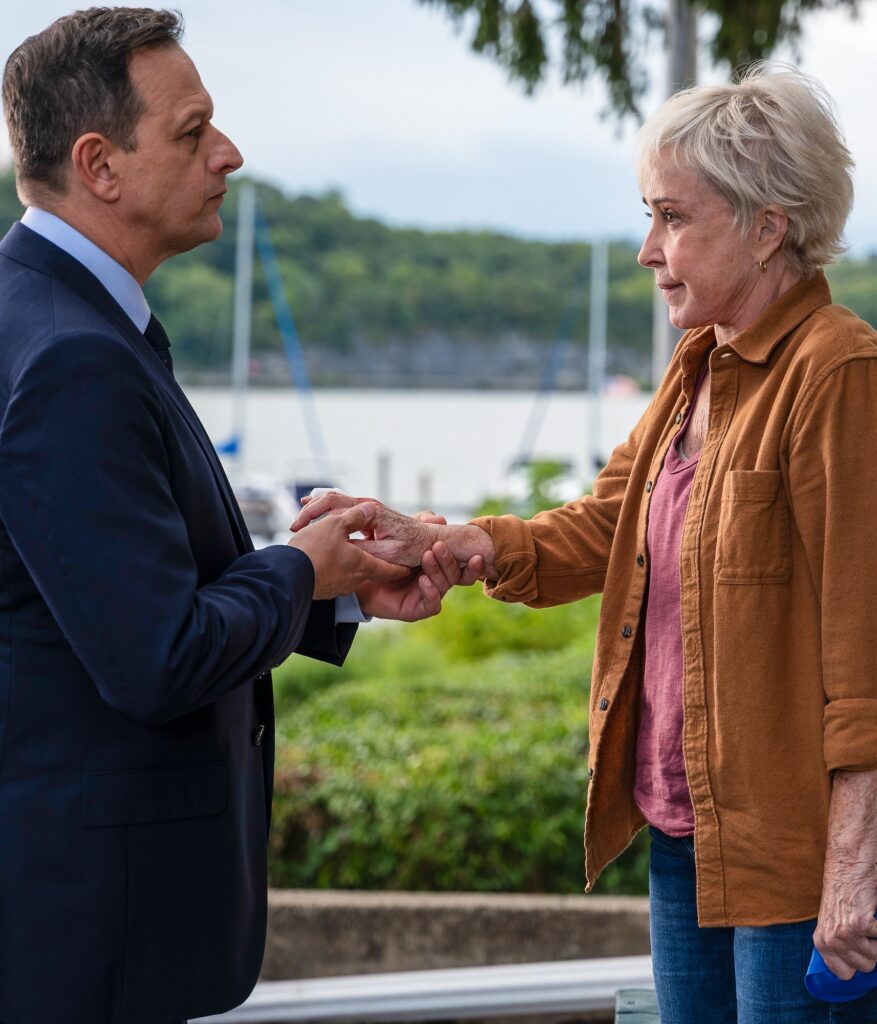
He is still a genius, still socially difficult, but he is not a pure logic machine; he is a man dragging around psychological baggage, anxiety, and a job that forces him to confront human pain every day.
That makes Potts’ role softer around the edges than Meemaw’s, even when Aunt Sarah is being her usual no‑nonsense, “no one better tell me to retire” self.
Instead of enabling Sheldon’s quirks or occasionally weaponizing them to win a poker game, she is nudging Martin toward balance—reminding him he does not get to opt out of community just because it is uncomfortable.
The difference now is that the student is old enough to understand what she is doing.
Where young Sheldon often treated Meemaw’s lessons as existential shocks, Martin Best registers every look, every sarcastic snide, every disappointed pause — and slowly adjusts.
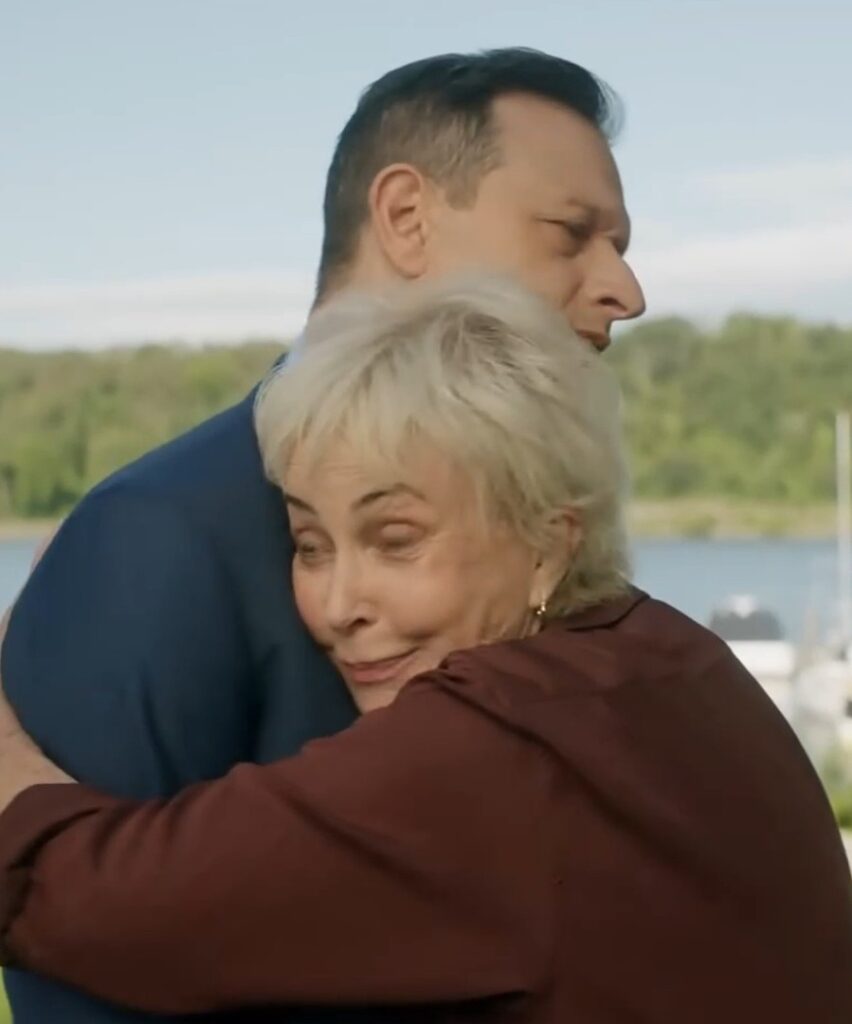
Aunt Sarah quietly watching and guiding Martin to embrace vulnerability is exactly the kind of low‑key emotional payoff that makes her scenes the highlight of the show.
In a series built on awkward bedside manners and small‑town theatrics, Annie Potts once again becomes the emotional cheat code: the one person who can tell the genius to get over himself, sit down, and listen.
And just like with Moon Pie, that mix of mischief, backbone, and unconditional affection is where Best Medicine finds its sweetest, most rewatchable moments.
So how do you feel about Annie Potts essentially Meemaw‑ing her way through another brilliant man’s emotional issues — does it make Best Medicine a must‑watch for you, or do you worry the typecasting might go too far?
Drop your thoughts in the comments.

We chatted with Power Book IV: Force star Joseph Sikora and showrunner Gary Lennon about the series finale in this fun conversation. Check it out!
We spoke with Jacob Lofland about Cooper’s whirlwind arc on Landman Season 3. Find out what he has to say about the finale and more!
We caught up with Doc’s Emma Pfitzer Price to discuss that shocking cliffhanger, Hannah’s mental instability, and much more!